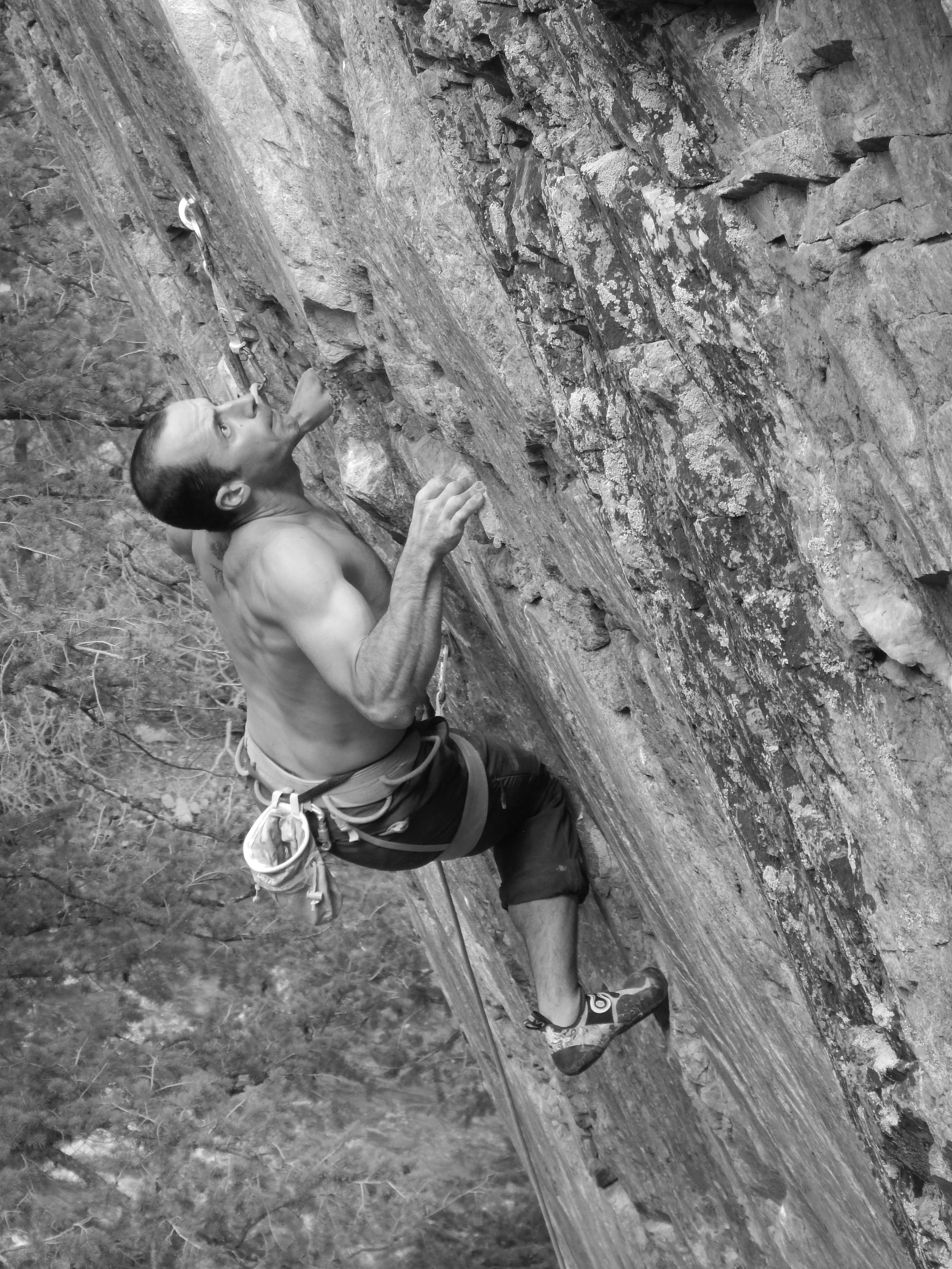
A Brief, Wind-Carved History of Climbing in Boulder
This piece traces the arc of climbing in Boulder from deep geologic time to the modern era. It begins with the formation of the red sandstone during the Laramide Orogeny, which tilted once-horizontal river sediments into what we now see as the Flatirons and the steep walls of Eldorado Canyon State Park.
It then moves through early 20th-century pioneers climbing with hemp ropes and iron pitons, the bold mid-century era of figures like Layton Kor and Pat Ament in Eldo, and the Flatirons serving as a proving ground for movement and composure.
The narrative follows the shift to clean climbing in the 1970s, the performance surge brought by sticky rubber and sport climbing in the ’80s and ’90s, and Boulder’s rise as a hub for elite talent, including climbers like Lynn Hill and Tommy Caldwell and ABC Kids Climbing.
Ultimately, the story frames Boulder climbing not as a simple progression of harder grades, but as an evolving relationship between stone, community, risk, and responsibility, where geology set the stage, and generations of climbers answered the invitation.