Boulder Canyon Climbing Guide: Best Crags, Routes, and What to Expect
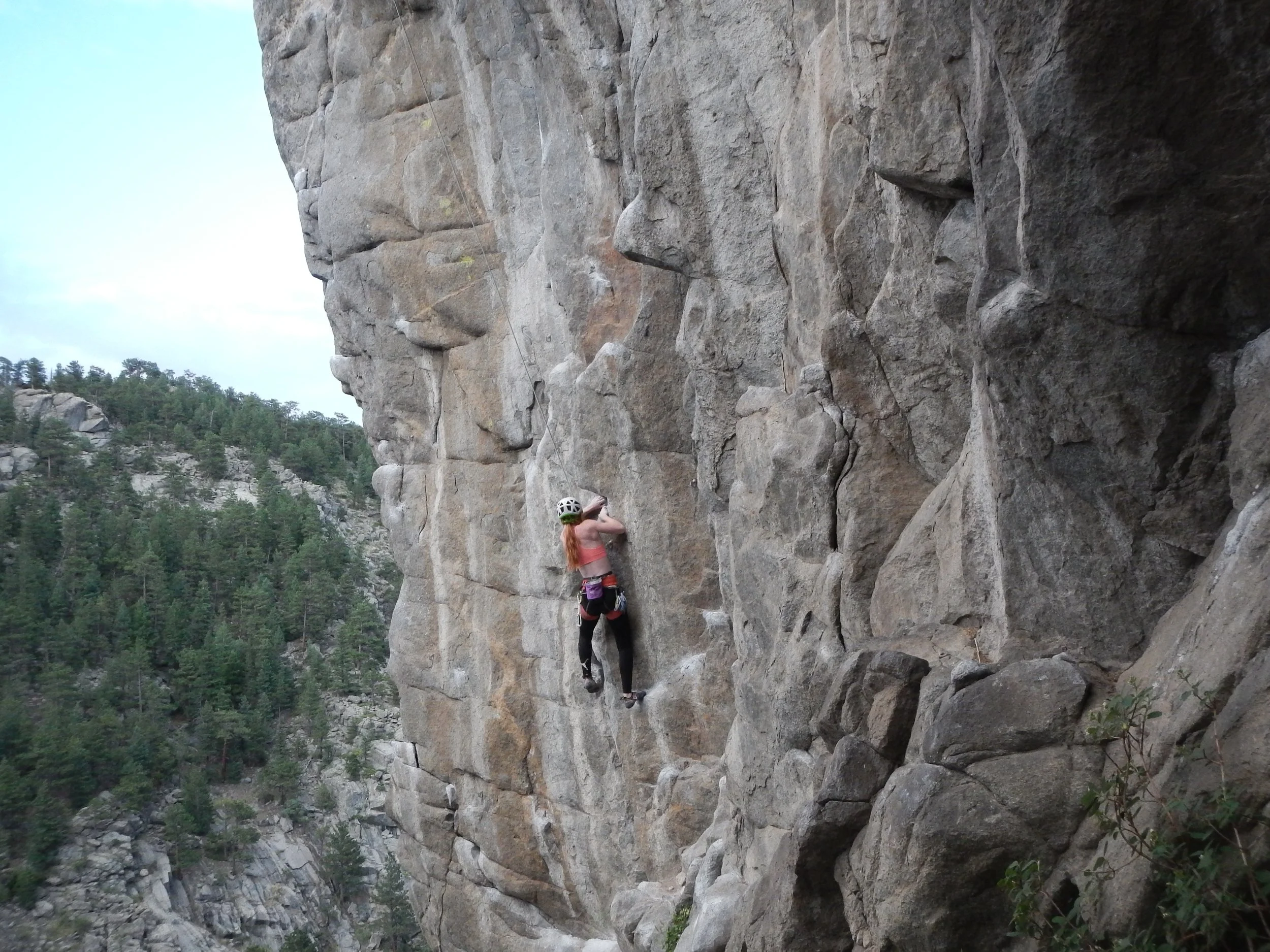
Boulder Canyon Climbing Guide
An introduction to the canyon’s granite sport, trad and mixed climbing—how the crags are organized, where newer climbers can start, and the access details.
Best summer climbing in Boulder
Boulder Canyon begins minutes from downtown and has every discipline of climbing.
Along CO-119, dozens of crags offer moderate sport routes, traditional cracks and corners, mixed-protection lines, moderate multi-pitch routes, bouldering and occasional ice.
The canyon can be difficult for newer climbers as it is not a single destination and parking, creek crossings, mixed routes, grading disparities and wildlife closures can change from crag to crag.
New to outdoor climbing? Start with How to Get Started Outdoor Rock Climbing in Boulder and What to Expect on Your First Outdoor Climbing Day. If you would rather have the location, routes and systems planned around you, see the private guided climbing options for 1–6 climbers.
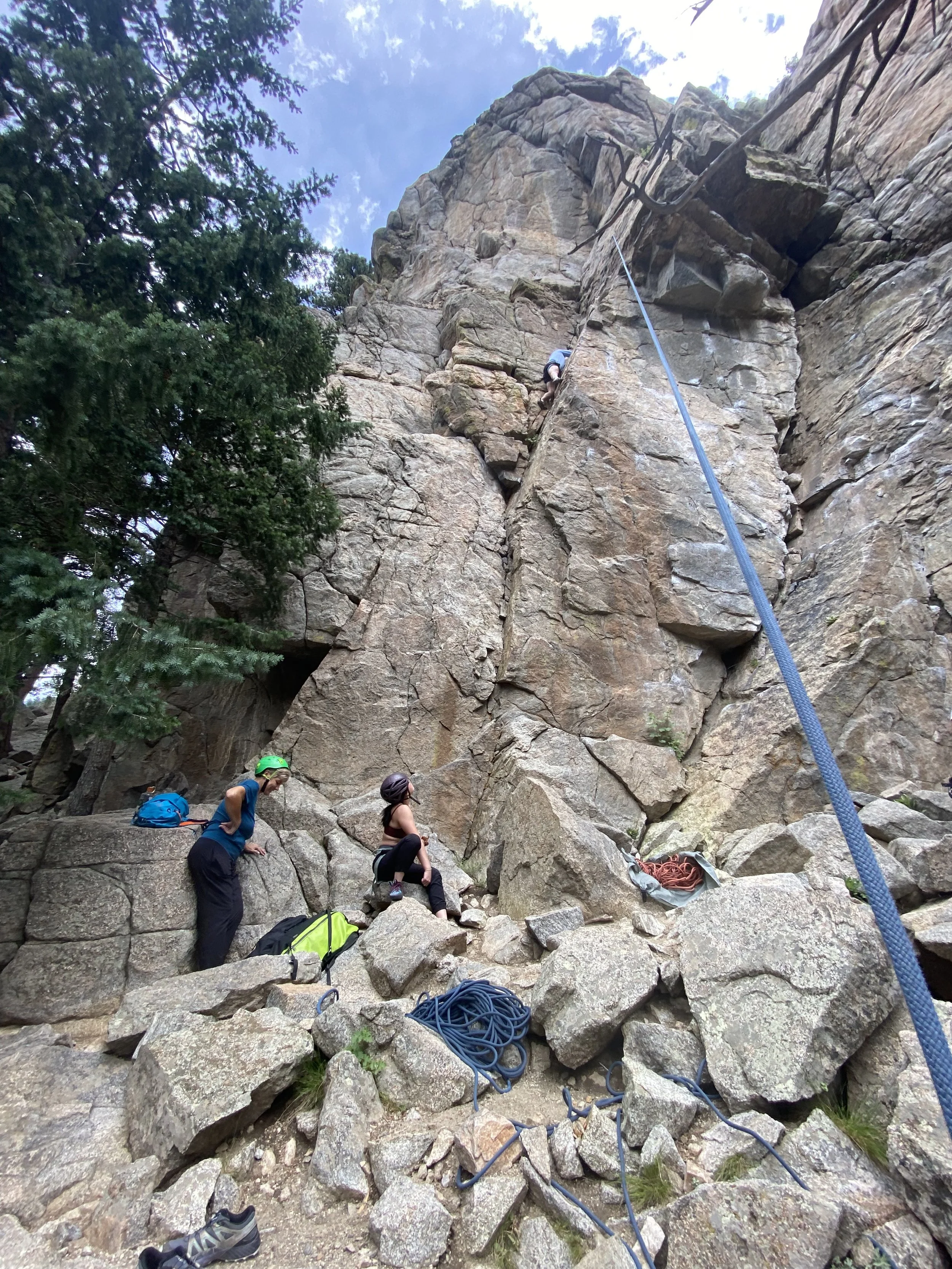
Seasonal U.S. Forest Service closures generally begin February 1 and may continue through July 31. Monitoring can reopen some areas early. Boulder Canyon closures are separate from City of Boulder OSMP closures in the Flatirons.
Think in crag clusters, not one trailhead
Boulder Canyon follows Boulder Creek west from Boulder toward Nederland. Crags sit on both sides of the road, above the creek and on benches that are not always visible from a pullout. The following zones are a useful planning framework, not official boundaries.
The Dome and Elephant Buttresses
Historic granite close to town, with moderate trad routes, multi-pitch options and sunny cold-weather climbing. Approaches use the bridge and aqueduct corridor.
Happy Hour, Riviera, Bihedral, Cascade and Cob
A dense mix of moderate trad, sport and mixed routes. Some crags are roadside; others require a creek crossing or Tyrolean traverse.
Avalon, Boulder Falls, Castle Rock and Sport Park
Cooler temperatures, larger sport areas and more complex layouts. The drive is longer and current parking or approach notes matter more.
What Boulder Canyon granite actually climbs like
The canyon’s granite varies by wall, but common themes include small edges, friction footholds, cracks, corners, slopers and short sections of steeper climbing. The Bihedral area is known for hard grey granite with good friction, incut edges and rounded features. Other crags are smoother, more fractured or more polished from traffic.
The route history is as important as the rock. Boulder Canyon contains older traditional lines, later bolt-protected faces and modern sport routes. Fixed protection, anchor configuration and bolt spacing can vary substantially between neighboring climbs.
Natural lines are less obvious
Cracks and corners may define the route, but face climbs can wander. Confirm the route and anchor before leaving the ground.
Bolts do not always mean sport
Many routes are mixed. A few visible bolts may protect only the face climbing between traditional sections.
Terrain changes the fall zone
Ledges, slabs, corners and irregular bolt spacing make some outdoor falls less clean than gym falls.
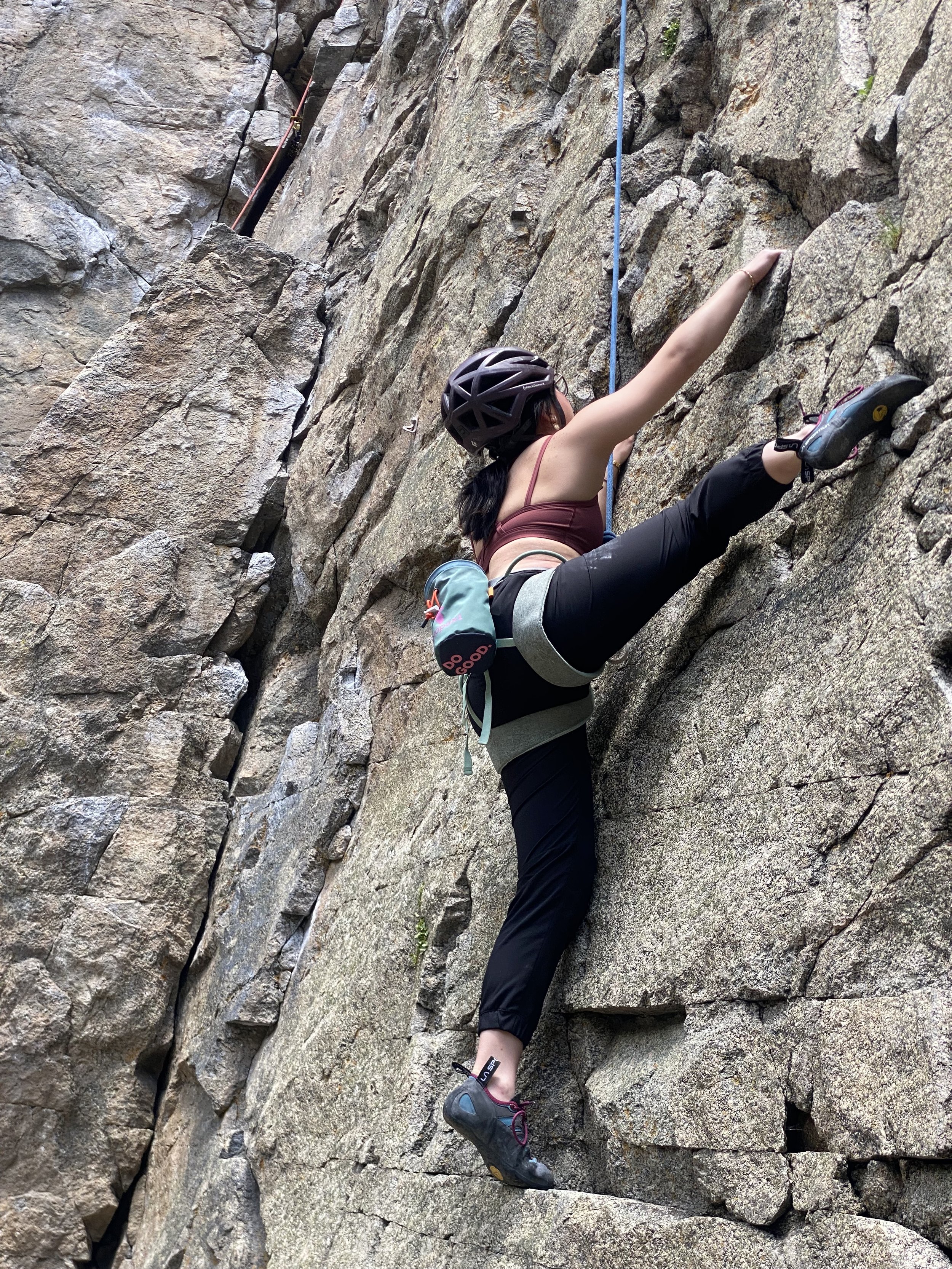
What transfers from the gym
Movement skill, strength, belay habits and comfort trying hard all help. What does not transfer automatically is route identification, anchor evaluation, rope-length judgment, outdoor fall assessment and environmental decision-making.
Strong gym climbers often begin a few grades below their indoor level while they learn to read granite. That is a normal calibration, not a loss of ability.
For a fuller comparison, read Gym Climbing vs. Outdoor Climbing.
Six Boulder Canyon crags worth understanding
This is not a complete route list. It is a practical cross-section of the canyon. Grades and route classifications below follow current Mountain Project listings; always verify the individual route, required gear, rope length, anchor and access notes before climbing.
| Area | Character | Representative routes | Best use | Important caveat |
|---|---|---|---|---|
| Riviera / Bihedral | Less-than-vertical graniteSport, trad and mixed routes close to the road. | Chouette 5.6 · Splash 5.7 · Topless Etiquette 5.8 · Bosch Blanket Bingo 5.9A useful grade range for learning how canyon granite differs from gym climbing. | Short sessions, moderate routes, learning route-type distinctions. | Confirm whether each route is fully bolted, mixed or traditional. |
| Cascade Crag | North-facing and shadedSport climbing across several buttresses, often much cooler than sunny canyon walls. | Friends 5.8 (2 pitches) · Reunion 5.8 · Good Slab Fun 5.8 · Rain Check 5.8+Several moderate routes in a compact area. | Warm-weather climbing and guided first outdoor sport days. | Creek crossing, Tyrolean and multi-pitch logistics require a clear plan. |
| Sport Park | Large, multi-sector sport areaRoutes range from moderate faces to overhanging 5.12 terrain. | Choss Temple Pilots 5.8 · Monkey Bob 5.8 · Chicken Hawk 5.9The easier routes are concentrated in specific sectors. | Sport mileage and lead-system practice with sector-specific planning. | The entire area is not beginner terrain. Verify current parking and approach information. |
| Avalon | Three tiers with broad route varietyPrimarily sport climbing, with trad and mixed routes distributed through the area. | Iron Maiden 5.9 · Sword in the Stone 5.9+ · Dead Can Dance 5.9+ · Mists of Avalon 5.10aClassic entry-level routes for experienced outdoor climbers. | Summer shade, 5.9–5.11 sport climbing and full-day mileage. | Tyrolean access, multiple tiers and sector navigation make it less simple than the grades suggest. |
| Happy Hour | Sunny traditional climbingShort approach and a concentration of moderate crack and face routes. | Malign 5.7 · Twofers 5.8 · Grins 5.8 · Nightcap 5.9Several routes can also be top-roped with appropriate anchor knowledge. | Moderate trad mileage, cooler-weather sessions and focused skills practice. | Popular routes can be crowded; arrive with alternatives. |
| Cob Rock | Shaded multi-pitch tradCracks, corners and face climbing on a substantial formation above the creek. | North Face Center 5.7+ (2 pitches) · Empor 5.7+ (3 pitches) · Northwest Corner 5.8Classic moderate multi-pitch terrain. | Building multi-pitch efficiency with an experienced leader. | Route-finding, creek access, loose blocks and descent knowledge matter. |
Sherwood Forest is a next-step sport crag
Mountain Project’s listed routes begin around 5.10-. It is quieter and worthwhile, but it should not be presented as a general first-day beginner destination.
Hard climbing is part of the canyon
Easter Rock, Eagle Rock, advanced Sport Park sectors and other crags contain steep sport climbing into the 5.12 and 5.13 range. Boulder Canyon is not primarily an instructional area.
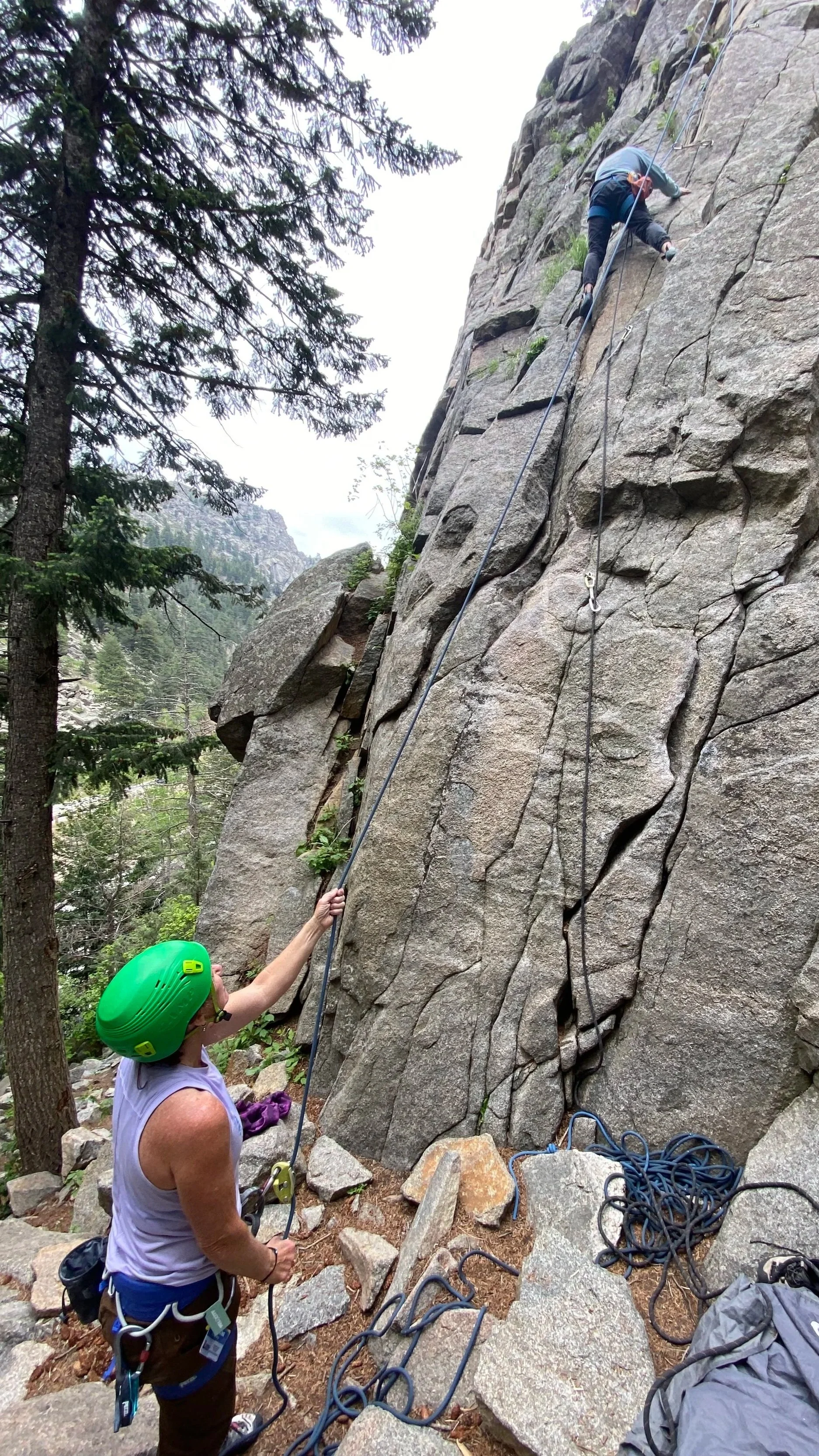
A realistic Boulder Canyon trad progression
“Beginner trad” should describe the leader’s experience with protection and systems, not simply a low route grade. Boulder Canyon moderates still involve route-finding, anchor decisions, irregular stances and descents.
Happy Hour
A practical place to work on single-pitch placements and granite movement. The 5.7–5.9 range includes several established moderates, but route choice and anchor access still need advance research.
The Dome
Low-angle and slabby multi-pitch terrain near the canyon mouth. It is useful for learning transitions and movement on granite, but slab protection and the scrambling descent can be more serious than the grade alone suggests.
Elephant Buttresses
Four buttresses with cracks, corners and face climbing. Mountain Project highlights Standard Route 5.7+, Northwest Face 5.8, Classic Finger Crack 5.9 and harder lines such as FM 5.11.
Cob Rock and Bitty Buttress
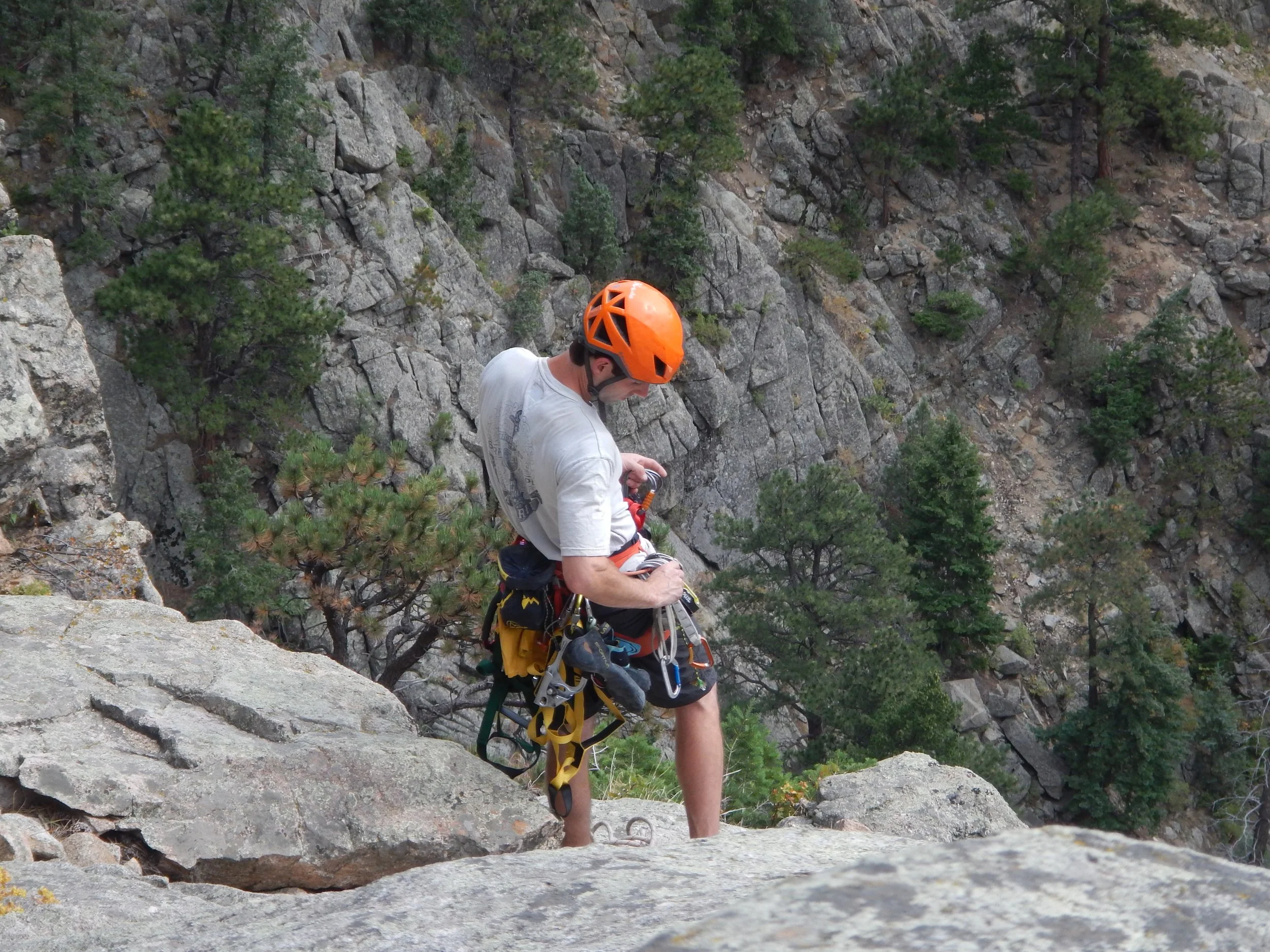
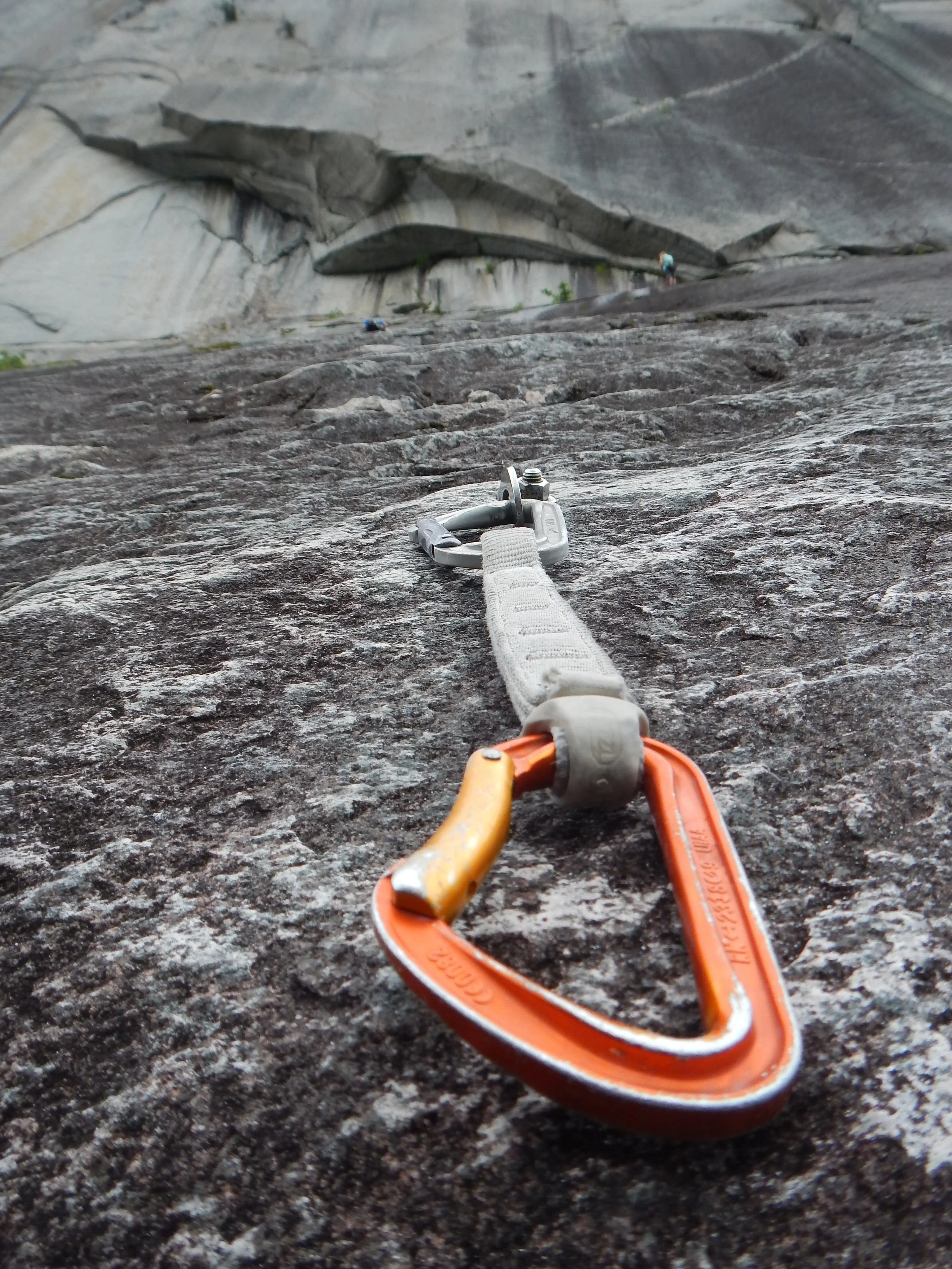
Cob offers classic moderate multi-pitch routes. Bitty Buttress is a more involved three-pitch 5.8+/5.9- objective with exposed climbing, a runout upper section and seasonal closure considerations. It is a progression route, not an introductory trad climb.
Tyrolean traverses, creek crossings and roadside parking
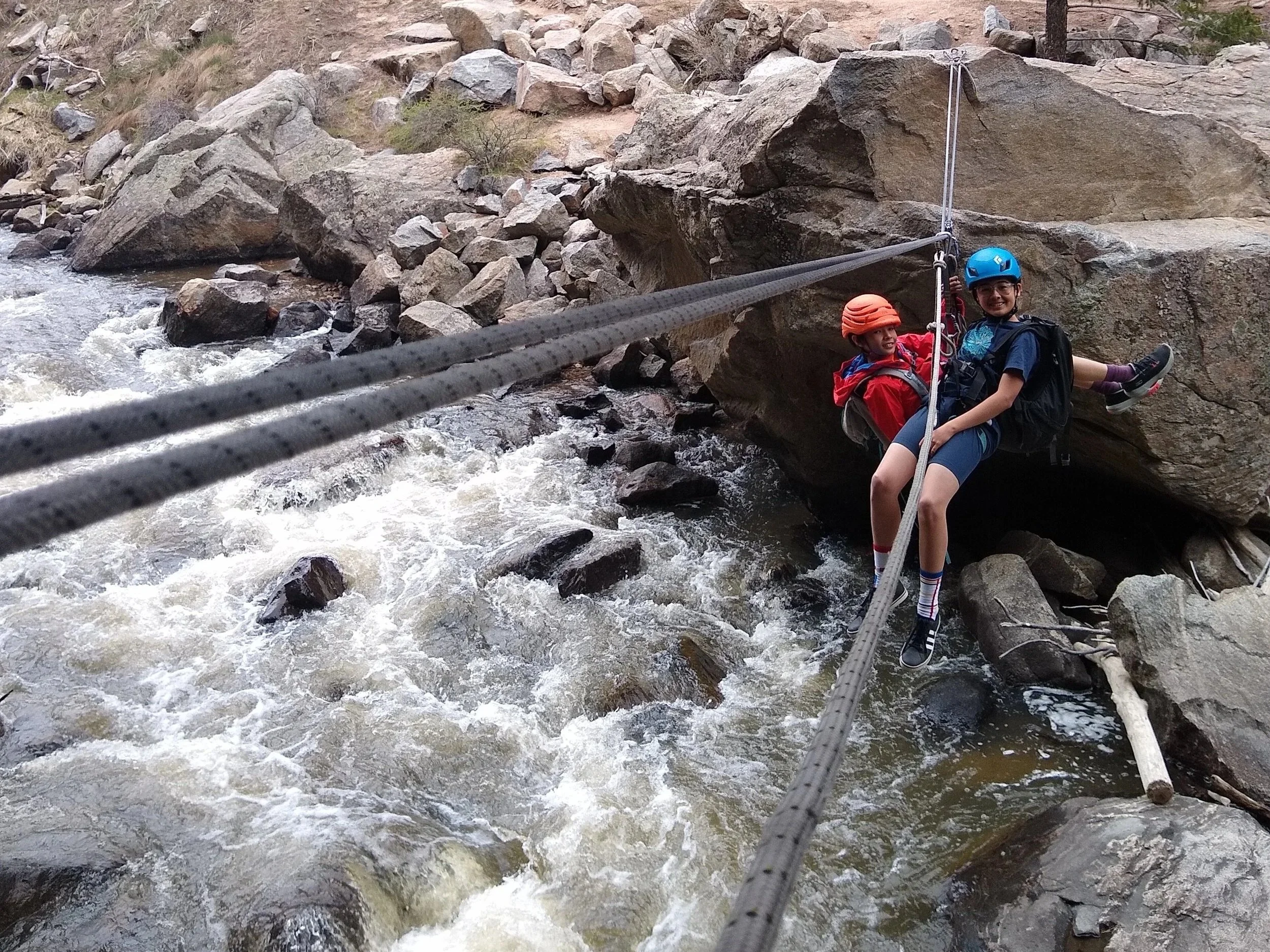
Boulder Creek is part of the canyon’s access system. Avalon, Cascade and several neighboring crags may use Tyrolean traverses or seasonal creek-crossing approaches. These lines are not gym equipment. Conditions, anchors and ropes can change.
Before using a crossing
- Inspect the rope, anchors and attachment points rather than assuming the line is serviceable.
- Clip the correct load-bearing points on the harness and secure the pack separately.
- Keep hair, loose clothing and straps clear of the system.
- Do not improvise a creek crossing during high water.
- Use an experienced partner if the system is unfamiliar.
Roadside access
- Park only in established pullouts with the vehicle fully outside the traffic lane.
- Unload on the protected side of the vehicle and watch for cyclists.
- Download maps and route notes before cell service weakens.
- Carry a backup crag; small pullouts fill quickly.
- Confirm current parking changes before driving to upper-canyon crags.
Rope and anchor checks are route-specific
Confirm route length, rappel length, anchor location and whether one rope reaches the ground. Neighboring routes may have different anchors or lengths. Tie stopper knots in rope ends when lowering or rappelling, and account for rope stretch and uneven ground.
For a plain-language overview of outdoor risk, read Is Outdoor Rock Climbing Dangerous?
When Boulder Canyon climbs best
Good temperatures, variable access
Expect changing weather, wet approaches, runoff and seasonal raptor closures. Shaded walls can remain cold well after town warms.
Use shade and start early
Cascade, Cob, Avalon sectors and other shaded walls can be excellent. Afternoon thunderstorms and high creek levels affect exposed routes and crossings.
The most reliable general season
Cooler air, lower water and stable conditions make fall well suited to both sport and trad climbing throughout the canyon.
Choose aspect carefully
Sunny south-facing walls can climb well on mild days. Shaded crags may retain snow, ice or cold rock even when Boulder feels comfortable.
Granite dries faster than sandstone
That does not make wet routes automatically safe. Check seepage, ledges, approaches, anchor areas and freeze-thaw conditions.
Match the crag to the day
Aspect, wind, elevation and creek access can produce large differences between crags only a few miles apart.
For a broader weather breakdown, see Best Seasons for Rock Climbing in Boulder.
What makes a good first Boulder Canyon day
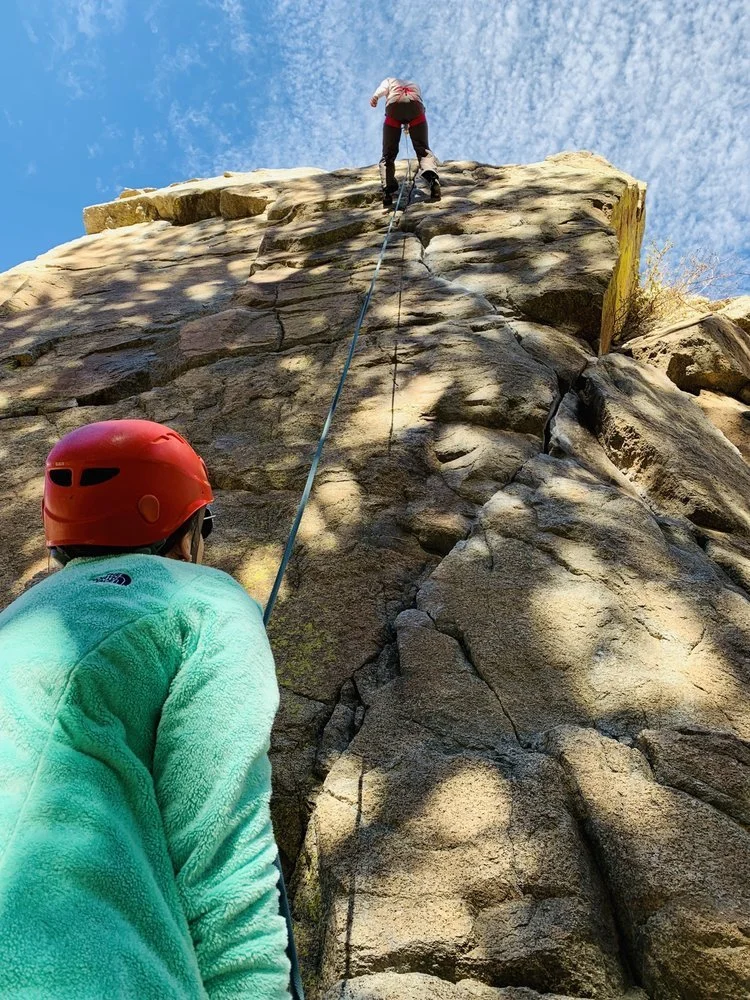
A good first day is based on one appropriate crag, not a list of famous routes. The plan should leave time for movement, communication and systems rather than maximizing the number of climbs.
A local guide or experienced partner is most valuable in Boulder Canyon not because the climbing is inaccessible, but because the route and logistics choices are highly specific.
If this is the day you want, compare the private guiding options for 1–6 climbers. Groups of 7–12 can request the group climbing program at $135 per participant. Still deciding whether instruction makes sense? Read Hiring a Rock Climbing Guide in Boulder.
Boulder Canyon climbing FAQ
Is Boulder Canyon good for beginner climbers?
Yes, when the route and crag are chosen carefully. Riviera, Cascade and selected Sport Park sectors contain moderate routes, but access, route type and anchor systems still require outdoor experience.
What is the best beginner sport-climbing area?
There is no single best answer. Riviera and Cascade offer moderate routes; Sport Park has several 5.8–5.9 routes in specific sectors; Avalon begins around 5.9 but has more complex access and navigation.
Where should a newer trad climber go?
Happy Hour is useful for moderate single-pitch trad. The Dome, Elephant Buttresses and Cob Rock provide multi-pitch progression with an experienced mentor. Bitty Buttress is a later objective, not a first trad route.
Are all routes with bolts sport climbs?
No. Boulder Canyon has many mixed routes that combine bolts with traditional protection. Check the route description and gear list before leaving the ground.
What is a Tyrolean traverse?
It is a fixed rope used to cross Boulder Creek. Inspect the line and anchors before use, secure the climber and pack correctly, and use an experienced partner if the system is unfamiliar.
Where should I check current closures?
Use the Boulder Climbing Community’s Boulder Canyon closure page, which tracks the U.S. Forest Service seasonal closure status and reopening updates.
What is the best season for Boulder Canyon climbing?
Fall is the most consistently favorable. Summer is excellent at shaded crags, and winter can work on sunny walls. Spring requires closer attention to runoff, weather and seasonal closures.