Best Seasons for Rock Climbing in Boulder: Weather, Temperatures, and What to Expect
Climbing in Boulder Year-Round: How to Think About the Seasons
Boulder has climbable days in every month. The useful question is not simply which season is best. It is which wall matches the sun, elevation, wind, and recent weather today.
Boulder does not have one climbing season. It has a network of rock types, elevations, and aspects that come into condition at different times.
Summer favors shade, early starts, and higher elevations. Winter favors lower elevations, direct sun, and low wind. Spring and fall open more options, but recent precipitation, closures, and fast-changing weather still decide the day.
The most reliable way to choose a destination is to read the conditions rather than the month.
New to climbing outside? Start with the complete beginner guideAspect
South-facing rock collects winter sun. North-facing and deeply shaded walls are often better in summer.
Elevation
Higher areas are generally cooler and more exposed. Lower foothill crags warm sooner and hold heat longer.
Wind and storms
A mild forecast can feel severe on exposed rock. Summer lightning and winter wind deserve conservative plans.
Recent moisture
Inspect the wall, approach, and descent. Sandstone needs adequate drying time after rain or snow.
How Experienced Climbers Match the Day to the Rock
Most seasonal mistakes come from choosing a destination first and trying to force the weather to cooperate. A better approach starts with the day.
On a hot forecast, look for shade, moving air, and elevation. On a cold forecast, look for direct sun, low elevation, and shelter from wind. After precipitation, consider rock type, drainage, ice, and whether the surface has actually dried—not whether the road looks dry.
Let the conditions choose the location. Keep the objective flexible until the forecast, aspect, and rock all agree.
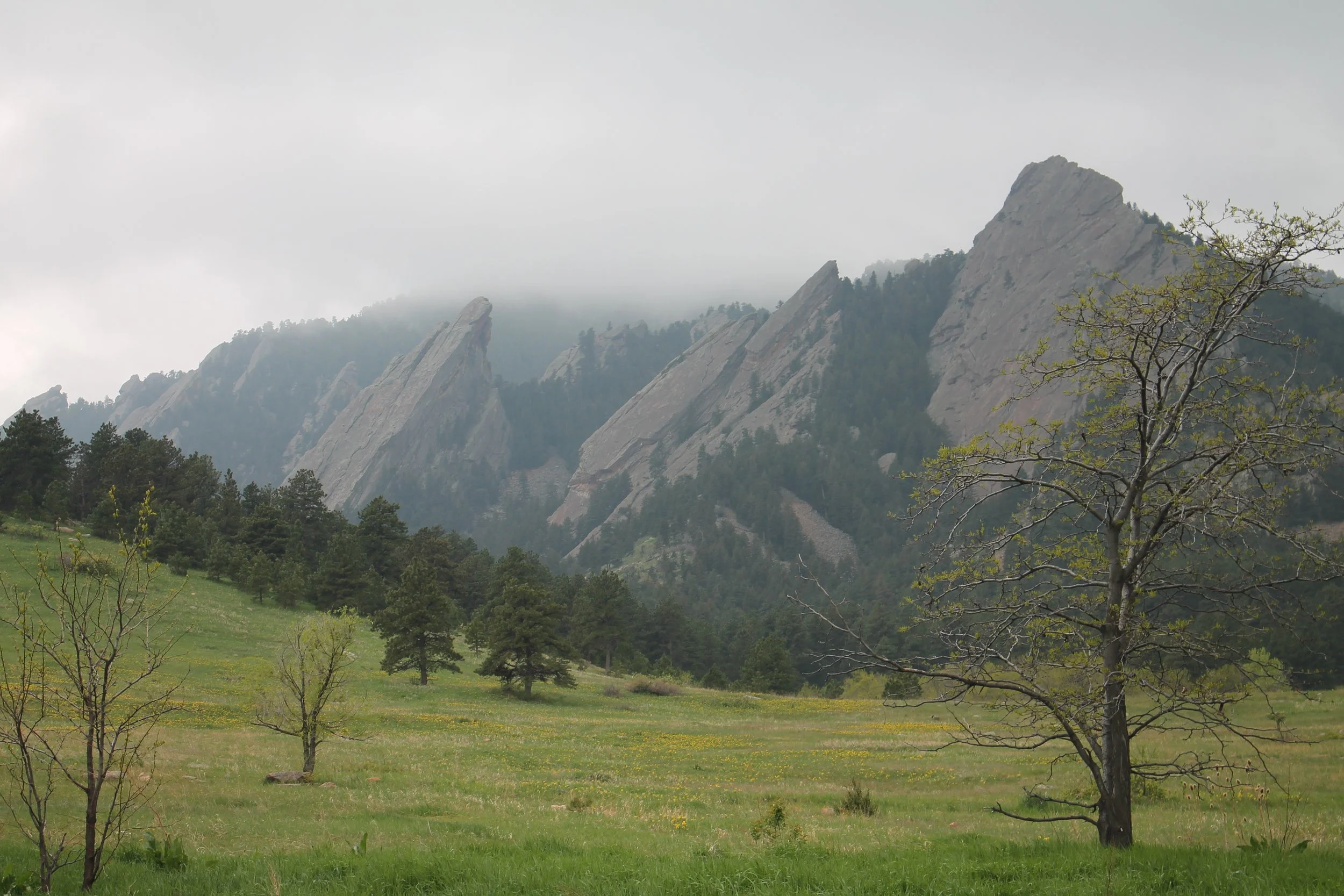
Spring: Broad Access, Rapid Changes
Spring can make most of Boulder’s climbing areas viable, sometimes within the same week. It can also bring snow, warm sun, rain, mud, runoff, and strong wind in quick succession.
Dry, mild days are excellent for Boulder Canyon, the Flatirons, Flagstaff, and Eldorado Canyon. The main constraint is recent weather. Shaded walls, approaches, and descents may hold snow or ice long after sunny pavement has dried.
- Choose flexible objectives and verify that the rock is dry.
- Start earlier when convection or strong afternoon wind is forecast.
- Check seasonal wildlife closures before selecting the crag.
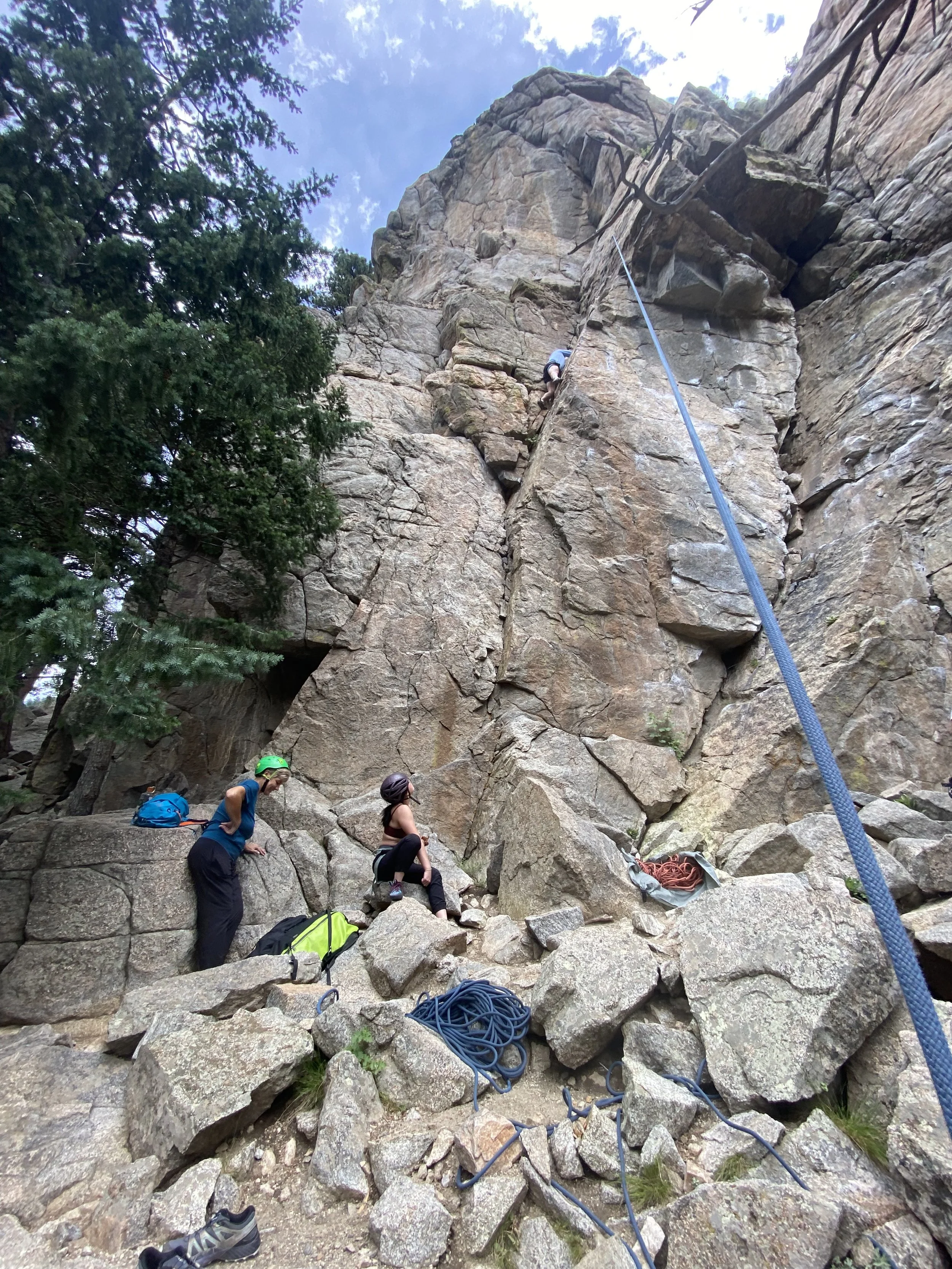
Summer: Shade, Elevation, and Early Starts
Summer climbing works best when the day is organized around heat and thunderstorms. Open sandstone faces can become hot quickly, while shaded canyon walls and higher-elevation areas may remain comfortable.
Boulder Canyon offers many aspects and shaded sectors, but not every wall is cool. Higher areas near Nederland, Lily Lake, and Rocky Mountain National Park can provide lower temperatures, with a tradeoff: faster weather changes, stronger wind, and more complex access.
- Start early and avoid committing to exposed terrain beneath building storms.
- Carry layers even when Boulder is hot; mountain weather changes quickly.
- Use shade and elevation strategically rather than simply tolerating heat.
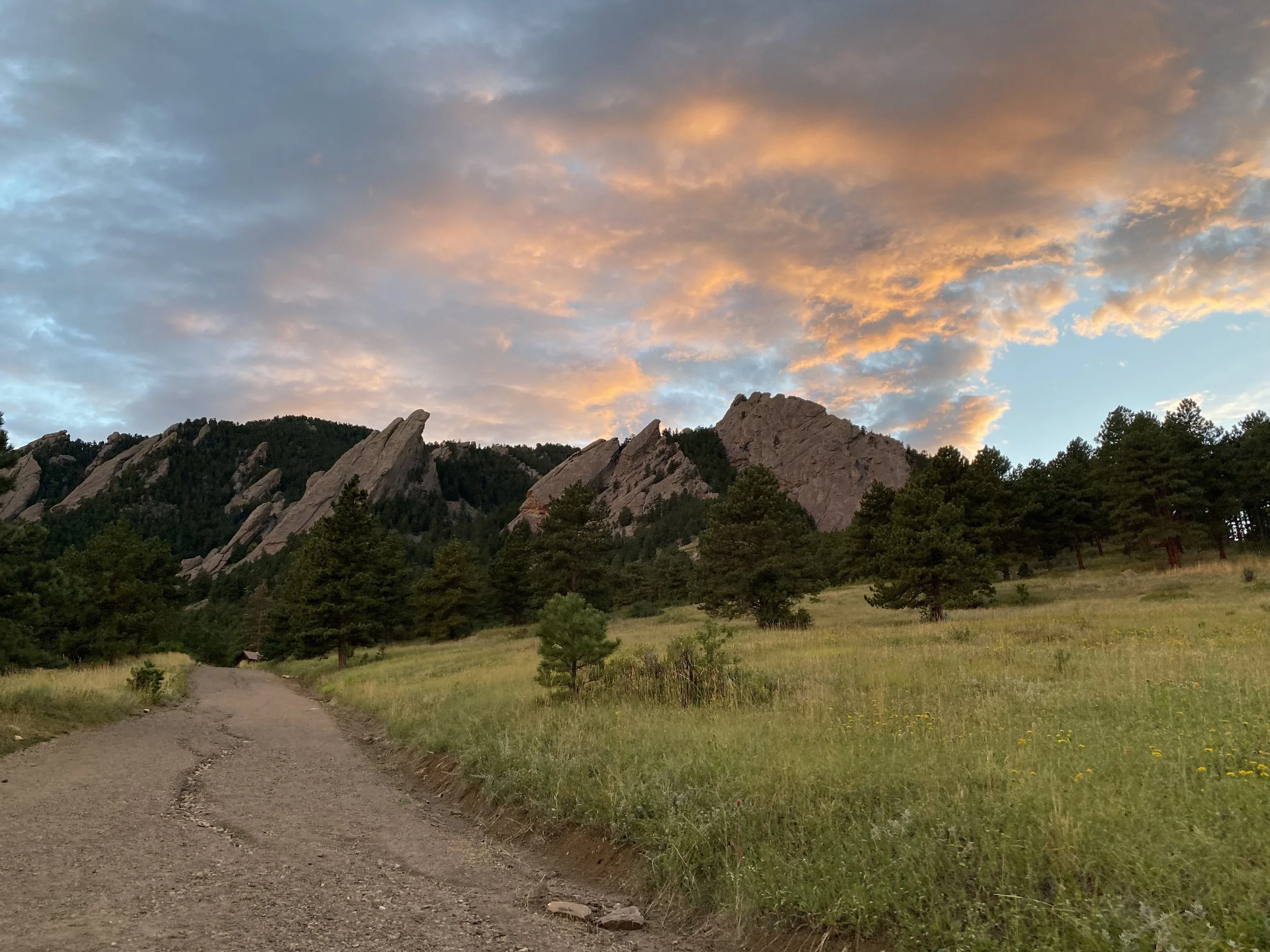
Fall: The Most Consistent Window
Fall is often the easiest season for planning. Cooler air improves friction, many approaches are dry, and long stretches of stable weather can make both single-pitch and multi-pitch objectives practical.
The Flatirons and Eldorado Canyon are especially appealing when the rock is dry and daytime temperatures are moderate. Boulder Canyon remains useful across a wide range of aspects. Later in the season, shorter days and cold shaded walls become the main constraints.
- Use cool mornings for friction-dependent routes and longer objectives.
- Track daylight; descents take longer than route pitches suggest.
- Move toward sunnier walls as temperatures fall in late autumn.
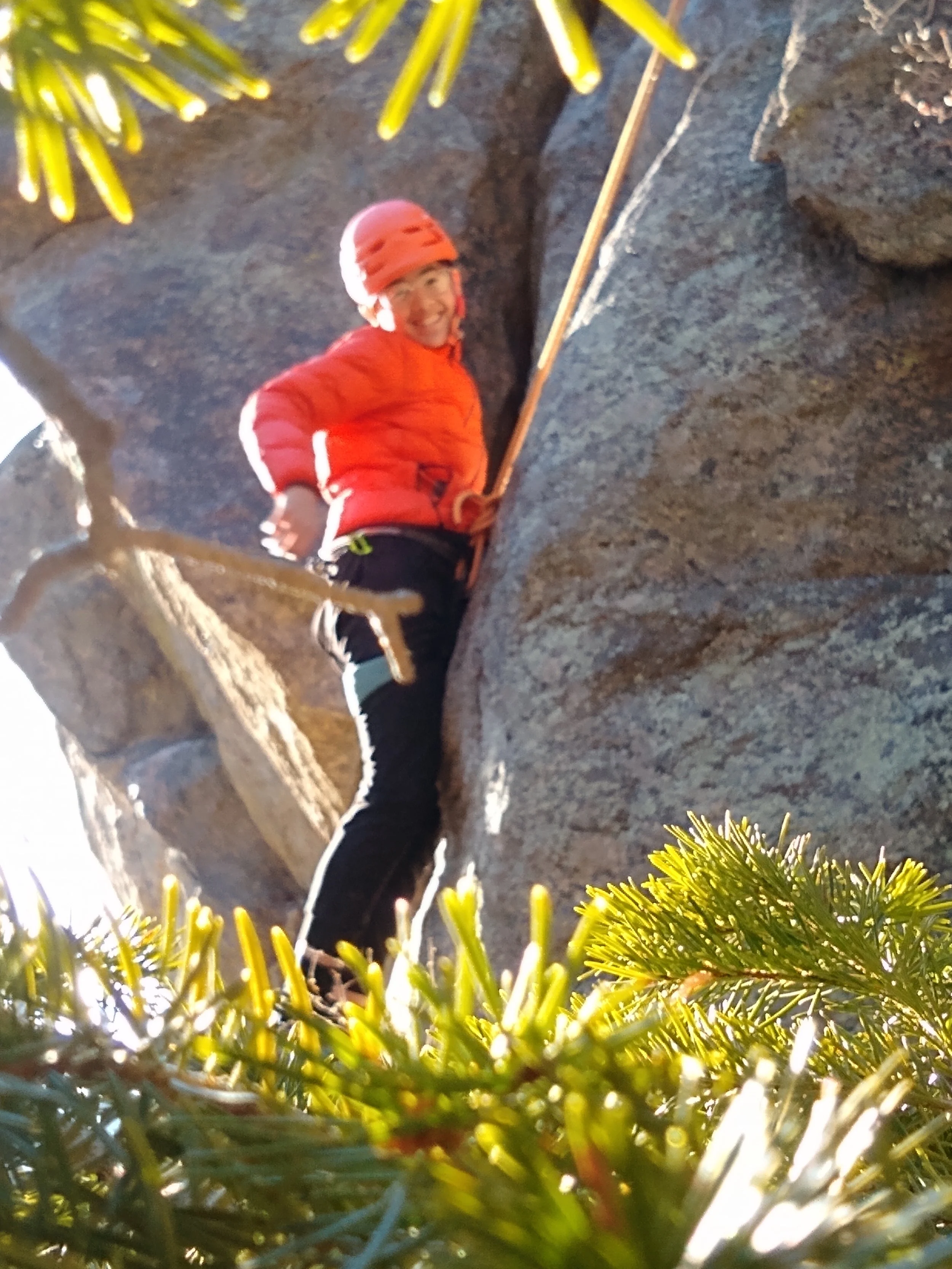
Winter: Sun and Wind Decide the Day
Winter is not consistently climbable, but clear, dry, low-wind days can be excellent on sunny, lower-elevation rock. Direct solar exposure can make a sheltered wall feel far warmer than the ambient temperature suggests.
Flagstaff Mountain and other south-facing foothill formations can come into condition on the right day. The same wall can become unpleasant within minutes when the sun leaves or the wind rises. Snow on ledges, ice on descents, and damp sandstone remain firm reasons to change plans.
- Choose direct sun, shelter from wind, and a short approach.
- Wait for dry rock after storms, especially on sandstone.
- Keep the objective small enough to finish before shade and cold return.
Match the Forecast to the Type of Area
No area is always hot, cold, sunny, or shaded. Walls within the same canyon can face opposite directions. These are starting points, not guarantees.
Shade or higher elevation
Consider shaded Boulder Canyon sectors, upper-canyon crags, or higher Front Range destinations. Start early and carry a storm layer.
Direct sun and low elevation
Look for south-facing foothill rock with a short approach, such as appropriate Flagstaff sectors or other sheltered sunny walls.
Shelter matters more than temperature
A warmer forecast is not useful if the wall is exposed. Choose protected terrain and avoid committing ridges or long rappels.
Rock type and drainage matter
Inspect the wall and descent. Give sandstone enough time to dry and watch for ice, seepage, mud, and wet ledges elsewhere.
The Day-of Conditions Check
A monthly season guide can narrow the options. The day-of check determines whether the plan is sound.
Check the whole day, not only the high temperature.
Wind, cloud cover, overnight moisture, lightning potential, access, and the descent can matter more than the headline forecast.
- Hourly forecast and storm timing
- Wind speed and gusts
- Overnight low and recent precipitation
- Wall aspect and expected shade
- Elevation and approach conditions
- Wildlife, trail, and parking closures
- Rock dryness and seepage
- Daylight and retreat time
Boulder Climbing Seasons FAQ
Can you rock climb in Boulder all year?
Yes, Boulder often has climbable days in every month, but not at every crag. Winter depends heavily on sun, wind, and dry rock. Summer depends on shade, elevation, early starts, and thunderstorm timing.
What is the best season for rock climbing in Boulder?
Fall is often the most consistent overall season because temperatures are moderate and weather can be stable. Spring also offers broad access, but conditions tend to change more quickly.
Where should I climb near Boulder in summer?
Look for shaded Boulder Canyon walls, early-morning objectives, or higher-elevation areas. Check the hourly forecast and avoid exposed terrain when thunderstorms are developing.
Where should I climb near Boulder in winter?
Choose dry, sunny, lower-elevation rock that is sheltered from wind. Flagstaff and other south-facing foothill walls can be good on clear days, but conditions must be checked individually.
Can I climb sandstone after rain or snow?
Do not climb sandstone while it is wet or internally damp. Drying time varies with precipitation, temperature, shade, and drainage. When uncertain, choose another rock type or wait.
Do seasonal closures affect Boulder climbing?
Yes. Wildlife closures can affect formations in Boulder Canyon, the Flatirons, Eldorado Canyon, and other nearby areas. Closures may be lifted early or extended, so check current land-manager information before each trip.
The Right Day Matters More Than the Right Month
Learning to climb outside includes learning how to choose a location. Every guided day is also a practical lesson in weather, aspect, elevation, access, and timing.
No experience or technical gear is required for a beginner day.
Where should you climb today?
Boulder has four world-class venues within twenty minutes of downtown. Each one shines at a different time, for a different climber. Answer four questions and we’ll point you to the right rock.
Answer all four to get your recommendation.