The Flatirons Climbing Guide
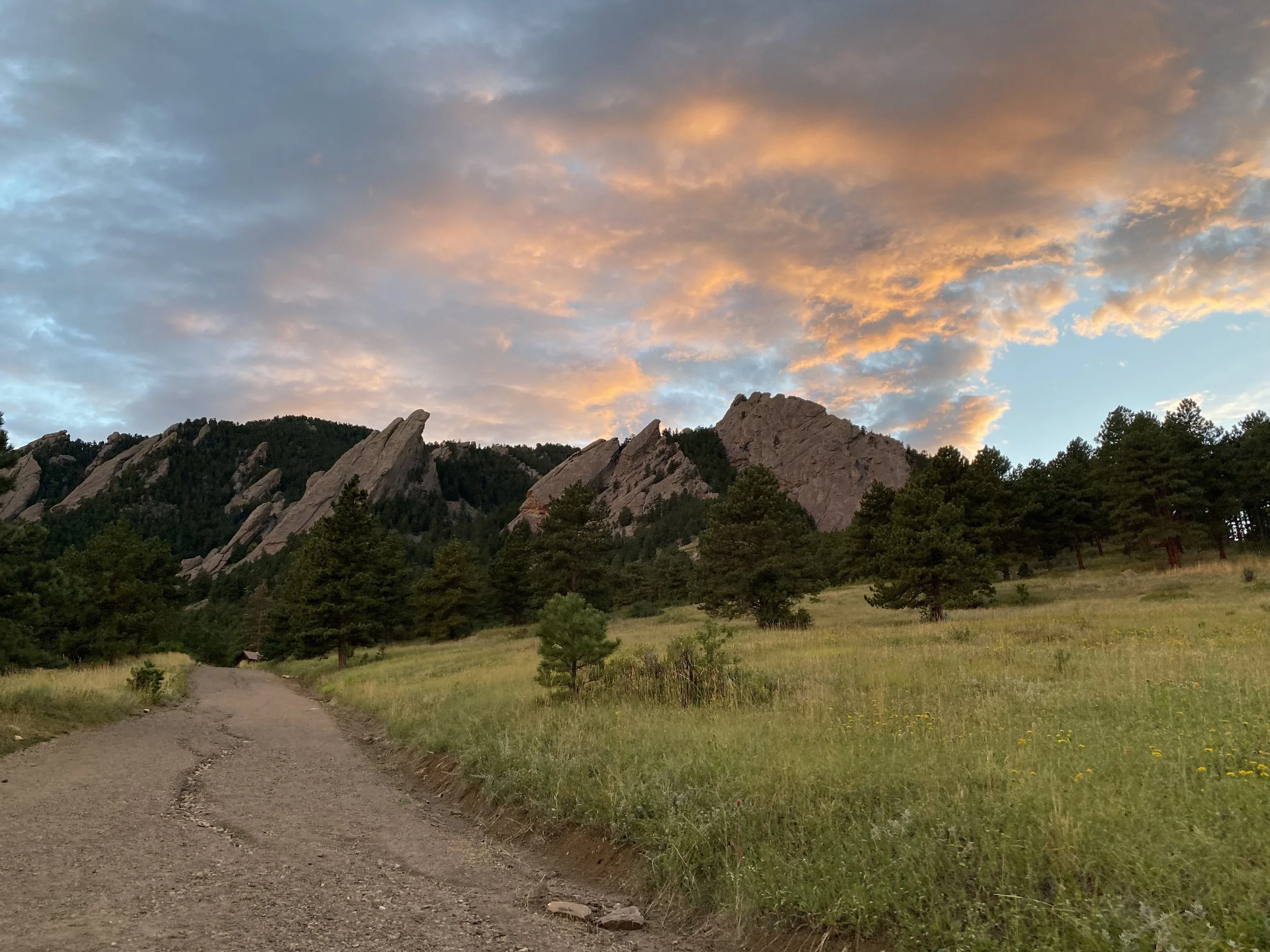
The Flatirons Climbing Guide
Boulder’s Flatirons are famous for long, moderate sandstone slabs. That is only the front door. Hidden on the other sides, the flatirons form steep cracks, overhangs, hard sport climbing, bold trad lines, bouldering and some of Boulder’s most complex route-finding.
The Flatirons are the most iconic part of the Boulder Landscape. They are a climbing range.
The broad east faces created the postcard: long, low-angle sandstone, small technical grades and huge exposure. But the Flatirons system runs from Chautauqua through Bear, Fern, Skunk and Shadow Canyons, with climbing terrain from scrambling fourth class to 5.14.
Mountain Project divides the Flatirons into North, Central and South sectors. That is the useful mental model.
New to climbing outside? Start with how to begin outdoor climbing in Boulder or see what a first outdoor climbing day actually looks like.
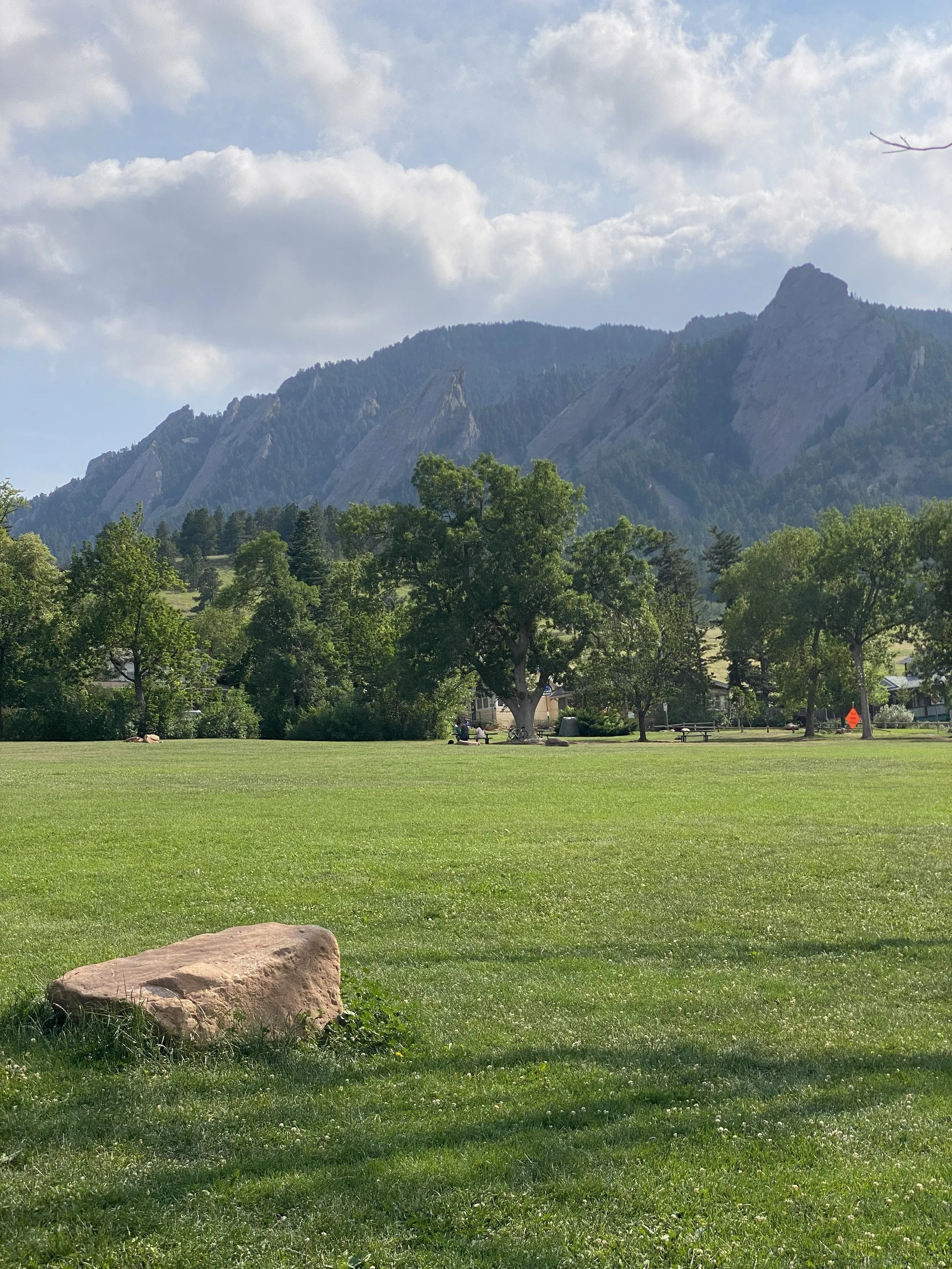
How the climbing changes when you walk around the rock
The Flatirons are tilted beds of hard, pebbly Fountain Formation sandstone, deposited roughly 280 million years ago and later lifted onto edge. That geometry is why one formation can offer an easy east-face romp and, a short walk away, and hard sport climbing on the other sides.
The face direction is one of the fastest ways to understand the terrain—but every formation has exceptions.
Length, friction and route-finding
The famous terrain: broad slabs, ridges, eye bolts, flakes and long sections where the climbing line is easier to follow than the protection line. Moderate movement does not guarantee a casual lead.
Shade, cracks and steeper stone
Often cooler and more enclosed, with crack systems, face climbing and multi-pitch routes that feel nothing like the open east faces. Spring seepage and winter ice can linger.
Sun, roofs and hard climbing
South-facing walls range from warm winter objectives to radically overhanging sport terrain. Seal Rock’s south face alone reaches 5.14.
Technical, steep and easy to overlook
The backsides often hide shorter, steeper and more serious lines. The Third Flatiron’s west side includes 5.10–5.13 climbing; the Maiden finishes beneath its famous west overhang.
The east faces explain why the Flatirons are famous. The other faces explain why local climbers can spend a lifetime here.
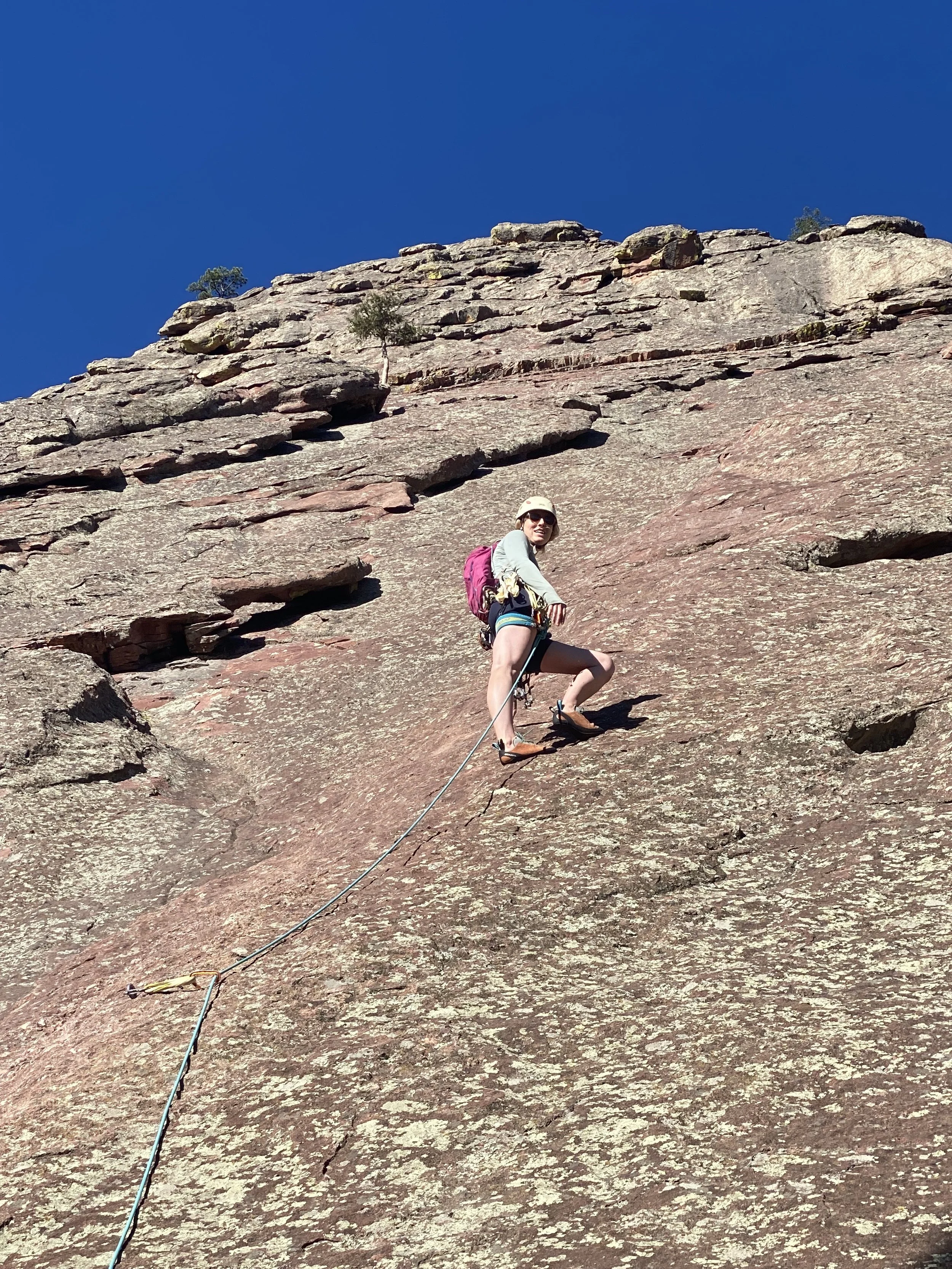
Four landscapes that define Flatirons climbing
The numbered Flatirons matter, but they are not the whole story. A useful local map is built around clusters of terrain, approach style and face orientation.
Chautauqua: First, Second and Third
The highest traffic and the cleanest introduction to the classic east-face style. The Second’s Freeway is easy enough to attract scramblers; the First is longer and more varied; the Third is the iconic moderate multi-pitch.
Do not confuse popularity with simplicity. Crowds, soloists, runouts, route-finding and descent logistics all converge here.
Skunk, Shanahan and Dinosaur Mountain
Long ridges, obscure formations, adventurous approaches and a much wider technical range. Angel’s Way is an eight-pitch 5.2 ridge; Satan’s Slab is a more serious 5.8 R; Dinosaur Rock includes Patience Face at 5.12a.
This is where the Flatirons stop feeling like three famous fins and start feeling like a mountain range.
Bear and Fern Canyons: Seal Rock, Matron and company
Seal Rock compresses the entire Flatirons spectrum into one formation: classic east-face slab, multi-pitch north-face climbing and an overhanging south face with sport routes up to 5.14.
The Matron adds shaded north-face moderates from 5.6–5.7, then steps through 5.9 and into hard 5.10/5.11 terrain.
Shadow Canyon and South Mesa: the Maiden
The Maiden is a freestanding architectural accident: sheer north and south faces, a narrow east ridge, a west ridge and an abrupt west overhang guarding the summit.
Its route spectrum runs from the 5.6 R North Face to the 5.10c East Ridge and 5.11b/c West Overhang. The descent is part of the route, not paperwork afterward.
Six routes and formations that explain the Flatirons
This is not a “best routes” ranking. It is a compact way to see how dramatically the style changes across the range. Grades and pitch counts follow current Mountain Project listings; always use route-specific beta and judgment.
For the full route database, browse the Flatirons area on Mountain Project.
The grade is rarely the most important number
Flatirons days succeed or fail on the details surrounding the climbing. A 5.4 can be a smooth morning or a long lesson in rope drag, misplaced belays and descending in the dark.
Match the aspect to the season
East and south faces can bake in summer and shine in winter. North faces hold shade, cold and seepage. Wind on an exposed east face changes the day quickly.
Read the descent before the route
Walk-off, downclimb, rappel or some ugly combination of all three: know the sequence, rope length and last daylight before leaving the ground.
Treat R and PG-13 as real information
Many easy routes protect poorly because cracks do not follow the easiest movement. A small grade can coexist with a large fall.
Expect unroped traffic on easy classics
Soloists and scramblers move at different speeds and may pass above or below you. Manage rockfall, anchors and crowded belays without turning the route into a committee meeting.
Judge actual moisture, not a desert rule
Fountain Formation sandstone is harder and less fragile than many desert sandstones, but wet stone is slick, flakes can seep and storms bring lightning. Wait until the route—not merely the parking lot—is dry.
Check closures every time
Raptor closures affect major formations and can be lifted early or extended. Old beta is not access beta.
Access, parking and current conditions
Chautauqua is the usual gateway for the First, Second and Third. Summer weekend parking is limited and paid; Boulder’s Park-to-Park shuttle is often the cleaner option. Central and southern objectives use different trailheads and usually involve longer, quieter approaches.
Before every day, check the official OSMP closures page. The City adaptively manages cliff-nesting raptor closures, so formations may reopen early or remain closed longer.
For Chautauqua logistics, use the official Park-to-Park shuttle page.
Climbing is dangerous even when the route is easy. Read how outdoor climbers actually manage risk before treating this article as a substitute for instruction or route beta.
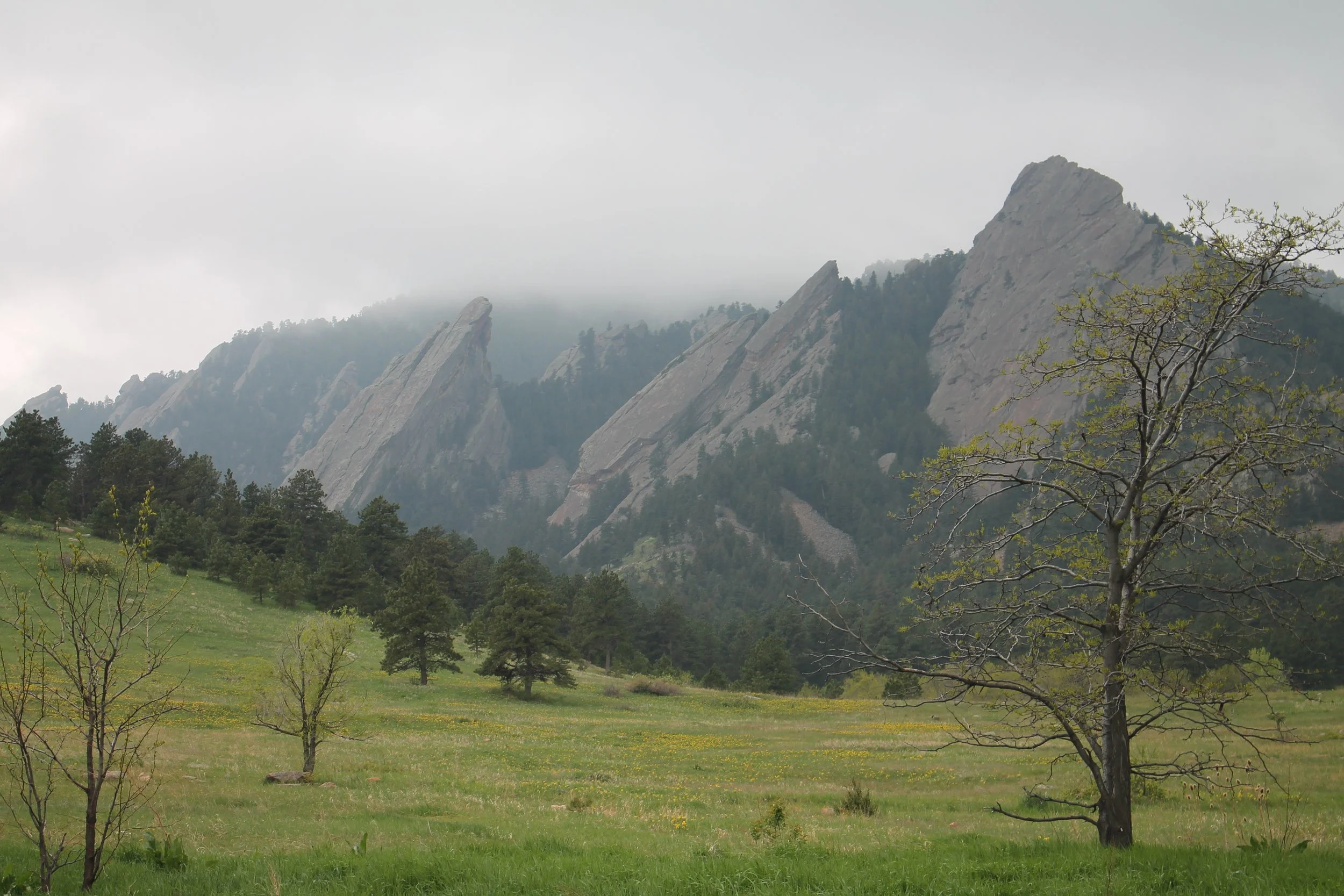
Flatirons, Boulder Canyon or Eldorado Canyon?
All three are close to Boulder. They reward different skills.
Flatirons
Sandstone, long routes, exposed ridges, friction, adventure approaches and descents that often matter as much as the climbing.
Best first-day context →Boulder Canyon
Granite, shorter approaches, dense sport and trad climbing, easier route switching and a more direct gym-to-outdoor transition.
Read the Boulder Canyon guide →Eldorado Canyon
Steeper traditional climbing, intricate protection, complex route-finding and a deeper historical commitment to boldness.
Read the Eldorado Canyon guide →For short, beginner-friendly sandstone routes without a multi-pitch commitment, see the Flagstaff Mountain climbing guide.
Flatirons climbing FAQ
What is Flatirons climbing actually like?
It ranges from easy scrambling and long low-angle east faces to steep cracks, overhangs, hard sport climbing, bold trad and bouldering. The common threads are Fountain Formation sandstone, approaches, route-finding, exposure and terrain that often feels more serious than the grade.
Are the Flatirons only slab climbing?
No. Slab is the best-known style because the broad east faces dominate Boulder’s skyline. North, south and west faces include vertical cracks, roofs, hard sport routes, serious trad and grades into the 5.14 range.
What is the best Flatiron for a beginner?
There is no universal answer. The Second and the Third are common introductory objectives, but weather, closures, exposure tolerance, traffic, route-finding skill and descent knowledge matter more than the headline grade. A first-time outdoor climber is often better served by a guided route or a shorter day at Flagstaff or Boulder Canyon.
Do I need traditional climbing gear?
It depends on the route. Some easy east-face climbs use sparse natural protection and fixed eye bolts; many other routes require a normal trad rack, sport gear or both. Independent climbers need route-specific equipment, anchor knowledge and descent systems.
When is the best season to climb the Flatirons?
Fall is consistently excellent, but the real answer depends on aspect. Sunny east and south faces can climb well in winter; shaded north faces are valuable in heat; summer multi-pitch days demand early starts and storm awareness.
Are there seasonal climbing closures?
Yes. Boulder OSMP uses seasonal, adaptively managed closures to protect cliff-nesting raptors. Major formations can close for part of the year, and closure dates can change. Check the official OSMP closure page before every visit.